
How to build an AI fitness influencer that people follow
Plan, design and run an AI fitness influencer: audience, formats, brands that sponsor fitness, five video ideas with prompts, and the claims to avoid.
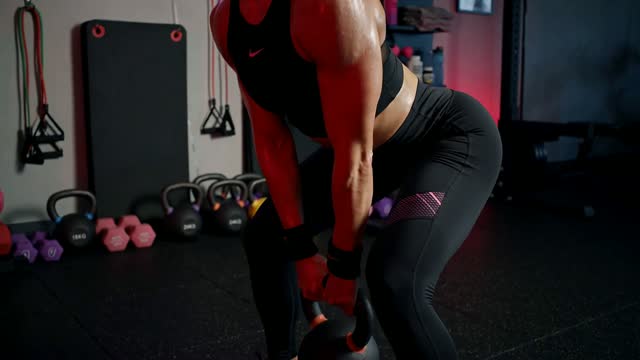
What an AI fitness influencer is
An AI fitness influencer is a fictional adult character who posts workouts, gym routines and training motivation, made with AI images and video instead of a real person on camera. People follow one for the same reasons they follow any fitness account: clear moves, a consistent face, a routine they can copy and a personality they like.
The catch is trust. Fitness audiences are used to creators who show their own bodies and their own progress. An AI character cannot do that, so the account has to earn attention another way: better instruction, a strong look, a clear niche and honesty about what the character is.
Pick an audience narrow enough to own
"Fitness" is too wide. The accounts that grow pick one person and one problem. A few angles that suit an AI character well:
- Home workouts with no equipment for busy office workers.
- Kettlebell or dumbbell routines for people with one set of weights at home.
- Mobility and stretching breaks for people who sit all day.
- Beginner gym walkthroughs: what each machine is for and how to set it up.
- Hybrid training for runners who also lift.
Write a one-line promise for the account, such as "15-minute dumbbell workouts for people who work from home." Every video should fit that line. If an idea does not fit, it belongs on a different account.
Design the character once
Followers need to recognize the same person in every video. In ClickPop's Characters studio you design a fictional adult once, pick an image model, and draw 1 to 10 reference photos: front, three-quarter, full body, close-ups and profile. Those photos go with every video, so the face and the training outfit stay the same from post to post.
Decide the details before you draw: age range, build, hair, one signature outfit (for example a charcoal tank top and teal shorts), and one setting you return to, like a bright garage gym with a pegboard wall. A fixed setting does as much for recognition as the face does.
Give the character a coaching voice too. Pick an AI voice and write three rules for how they talk: short cues, no shouting, always names the muscle being worked. Consistency in voice is what makes followers feel they know someone.
Formats that work in fitness
Fitness content is visual and repeatable, which suits AI production. The formats that hold attention:
- Single-move demos: one exercise, shown from the side and the front, with a caption naming the cue.
- Follow-along circuits: four or five moves, a timer on screen, captions for reps.
- Form fixes: the wrong version, then the right version, side by side.
- Routine explainers made as motion graphics: a weekly split drawn as a clean chart.
- Character moments: the coach packing a gym bag, prepping for a session, talking through a plan.
Exercise demos need clean, believable motion. Motion Control in ClickPop lets your character perform the moves from a reference clip, which is more reliable than describing a squat in words. Film a reference of the movement yourself (or use footage you have the rights to) and apply it to the character.
Five video ideas with sample prompts
- The two-minute desk break. Prompt: “The coach stands beside a home office desk, demonstrates a slow standing hip-flexor stretch, side view, soft morning window light, steady locked-off camera, calm tone.” Try it
- Goblet squat form check. Prompt: “Full-body front view of the coach doing a goblet squat with one dumbbell in a bright garage gym, chest up, slow controlled tempo, camera at hip height, natural light.” Try it
- What is in my gym bag. Prompt: “Top-down shot of the coach's hands packing a gym bag on a wooden bench: water bottle, lifting straps, towel, notebook, warm afternoon light, gentle push-in.” Try it
- Five-move kettlebell circuit. Prompt: “The coach performs a kettlebell swing in a garage gym, three-quarter view, slight slow push-in, energetic but controlled, pegboard wall behind.” Repeat for each move and cut them together with a timer overlay.
- Weekly plan explainer. In Faceless Studio, ask for a clean motion graphic: “A four-day upper/lower split shown as a weekly calendar, Swiss style, each day highlighting the muscle groups, captions in large type.”
Keep each prompt focused on one action. Fitness clips break when you ask for three moves in one generation.
Who pays in fitness
Income for fitness accounts usually comes from brand deals, affiliate links and your own products, not platform payouts alone. The categories that sponsor fitness content include home gym equipment (dumbbells, kettlebells, bands, mats, benches), activewear and shoes, fitness and habit-tracking apps, water bottles and gym bags, and recovery tools like foam rollers.
Affiliate programs such as Amazon Associates and TikTok Shop's affiliate program cover most of these products. Commission rates vary by category and change, so check the program's current page. Your own digital products, such as a printable four-week plan, are often a better fit than supplements or anything with a health claim attached.
Brands care about whether your audience matches their buyer and whether you are clear about being an AI character. Lead with that clarity in your pitch.
Cautions specific to fitness
- No health claims. Do not promise weight loss, fat burn, injury recovery or medical outcomes. Say what a move trains, not what it will do to someone's body.
- Avoid supplement sponsorships that require you to state benefits. If you take one, the brand's legal team should supply approved wording, and readers should be told to check with a professional.
- No fake transformations. An AI character cannot have a real before-and-after. Do not show one.
- Label the character. Make it clear in the bio and in videos that the coach is an AI character. Platforms require labels on realistic AI content (as of October 2026, check each platform's current page).
- Sponsored posts must disclose the deal in the video itself, under FTC rules in the US, not only in a caption hashtag.
Questions
Can an AI fitness influencer get sponsored?
Yes, brands sponsor AI characters when the audience fits their buyer. You must disclose the sponsorship in the video and be clear that the character is not a real person.
How do I make workout moves look right?
Use a reference clip of the real movement and apply it to your character with Motion Control, one move per generation. Text prompts alone often produce sloppy form.
Do I need to label an AI fitness character?
If the content looks realistic, yes. YouTube, TikTok and Meta all have AI labels or disclosure settings as of October 2026; check each platform's current page.