
How to create an AI fashion influencer with consistent outfits
Build an AI fashion influencer whose face and outfits stay the same across videos: reference photos, formats, paying brands, prompts and cautions.
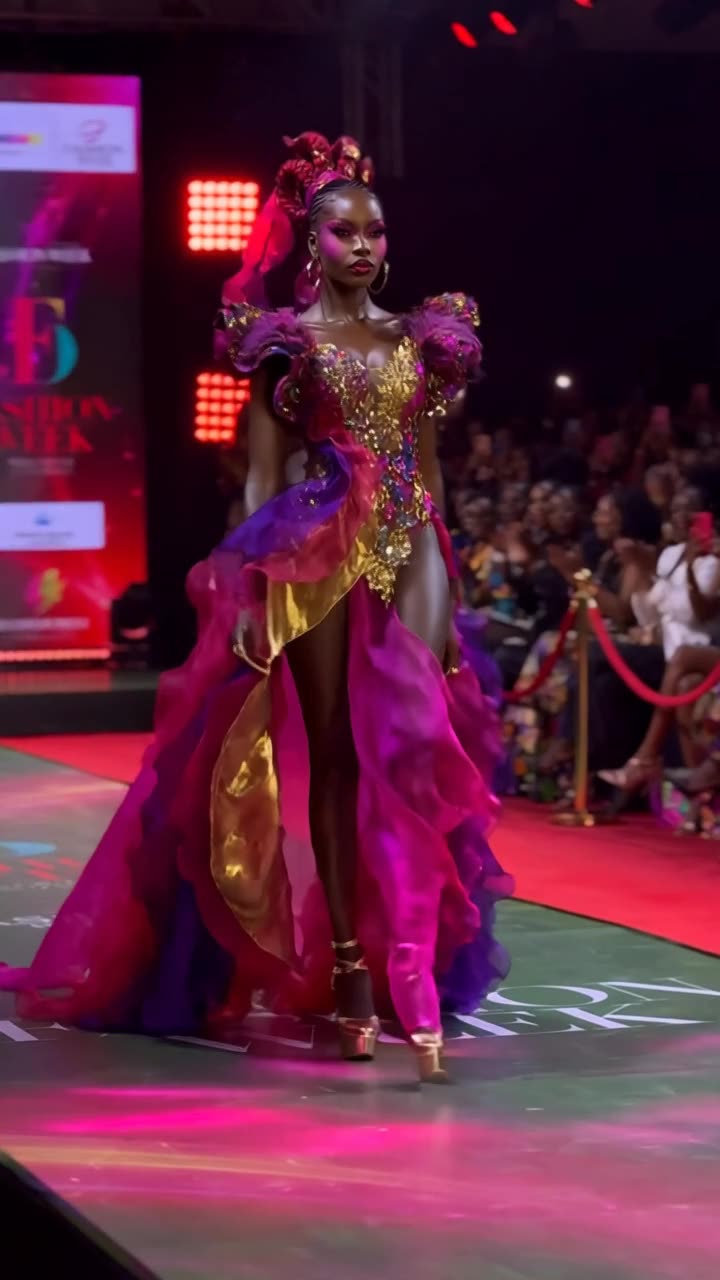
What it takes to run an AI fashion influencer
An AI fashion influencer is a fictional adult character who models outfits, styles looks and reacts to trends, built from reference images so the face and body stay the same in every post. The hardest part is not the face. It is keeping a specific outfit identical from one shot to the next, and that comes down to reference photos and disciplined prompts.
Fashion followers judge details: the cut of a jacket, how fabric moves, whether shoes match the bag. An account that gets those right can build a real following. One where the sleeve length changes between cuts loses people fast.
Choose a style lane and a follower
Pick one style identity and one person you are dressing. Examples that suit an AI character:
- Capsule wardrobe styling: 20 pieces, many outfits.
- Office wear for creative jobs.
- Thrift and vintage restyling, shown as outfit ideas.
- Streetwear for cold cities.
- Modest fashion with layering ideas.
Your one-line promise could be: "Ten-piece capsule outfits for a rainy city, styled three ways." The tighter the lane, the easier it is to pitch brands later.
Try this prompt in Create VideoLock the face and the wardrobe
In ClickPop's Characters studio you design a fictional adult and draw 1 to 10 reference photos with the image model you choose. For fashion, use the full set: front, three-quarter, full body, profile and close-ups. Full-body references matter most, because fashion is about proportions.
Then treat each outfit like a character of its own. Create a written outfit card and reuse it word for word in every prompt for that look:
- Outfit card example: “Oversized camel wool coat to mid-calf, cream ribbed turtleneck, straight dark indigo jeans, white leather low-top sneakers, small black crossbody bag.” Try it
- Keep colors specific (camel, cream, indigo), not vague (brown, light, blue).
- Name the fit and length every time. “Mid-calf” and “cropped at the ankle” stop the model from guessing.
If you sell or feature a real product, draw a still of the character wearing it first, check it, and animate from that still. Storyboard mode in Create Video draws stills before rendering, so you can catch a wrong collar before you spend credits on motion.
Formats that work in fashion
- One piece, three ways: the same item styled for work, weekend and evening.
- Outfit transitions: a spin or a step forward that cuts to the next look.
- Fit details: slow close-ups of fabric, buttons, stitching.
- Get ready with me: choosing an outfit for a specific occasion, with a voiceover.
- Lookbooks: a short sequence of full-body walks against one backdrop.
Vertical 9:16 is the default for Reels, TikTok and Shorts. Shoot full-body walks with the camera at waist height so legs are not foreshortened.
Five video ideas with sample prompts
- Rainy city coat walk. Prompt: “The character walks toward camera on a wet cobblestone street at dusk wearing [outfit card], umbrella in left hand, slow tracking shot backward, soft streetlight reflections.” Try it
- Fabric close-up. Prompt: “Macro shot of hands smoothing the lapel of a camel wool coat, visible texture, warm window light, shallow depth of field, slow push-in.”
- Three ways to wear a white shirt. Render three short clips, each with its own outfit card, then cut with a spin transition at the end of each.
- Capsule flat lay. Prompt: “Top-down flat lay of ten clothing pieces on a linen sheet, neatly arranged, soft daylight, slow overhead rotation.”
- Weekend outfit GRWM. Use the UGC studio's GRWM format so the character talks through each piece as they put it on.
A simple weekly plan keeps the account moving without burning out: one "one piece, three ways" post, one fit-detail close-up, one outfit transition and one lookbook. Batch the outfit cards on Monday, draw stills for each look, check every garment against the card, then render motion only for the stills that pass. That order saves credits, because a wrong collar is cheap to fix as a still and expensive to fix as video.
Brands and affiliate categories in fashion
Fashion is one of the most active niches for brand deals and affiliate links. Who pays: independent clothing labels, shoe and bag brands, jewelry and accessories, thrift and resale platforms, styling apps, and seasonal retail campaigns. Affiliate links through programs such as Amazon Associates, TikTok Shop and retailer-run programs are common. Rates vary by category and change, so check each program.
Smaller labels are often the best early partners. They need content of a product worn on a body and may not have budget for a shoot. A fictional model that keeps the garment accurate is useful to them, as long as you are open that the model is AI.
Videos you make in ClickPop are yours to use commercially, including for client work. Third-party logos are not allowed, so feature unbranded items or get the label's own approval for anything with branding.
Mistakes to avoid
- Changing the outfit description between shots. Copy the outfit card exactly.
- Showing a product the brand does not actually make. AI can invent a colorway. If it does, regenerate, or you are misrepresenting the product.
- Hiding that the model is AI. Viewers who find out later feel misled, and platforms require labels on realistic AI content (as of October 2026).
- Copying a designer's signature pattern or logo. Keep prints original.
- Forgetting the disclosure. Sponsored outfits need a clear on-video disclosure under FTC rules in the US.
Questions
How do I keep the same outfit across AI videos?
Use full-body reference photos of the character and paste the same detailed outfit description into every prompt. Draw a still first and animate from it when accuracy matters.
Can an AI model wear a real brand's clothes?
Only with the brand's involvement. Draw the product accurately, get approval, label the content as AI and disclose the deal. Third-party logos without permission are not allowed in ClickPop.
Which format grows a fashion account fastest?
No format is guaranteed, but outfit transitions and "one piece, three ways" posts are easy to repeat and easy for viewers to save.