
AI food influencer: recipes, restaurant spots and ASMR
Start an AI food influencer: real tested recipes, appetizing cooking shots, ASMR with native sound, kitchen brands that pay, prompts, and food-content cautions.
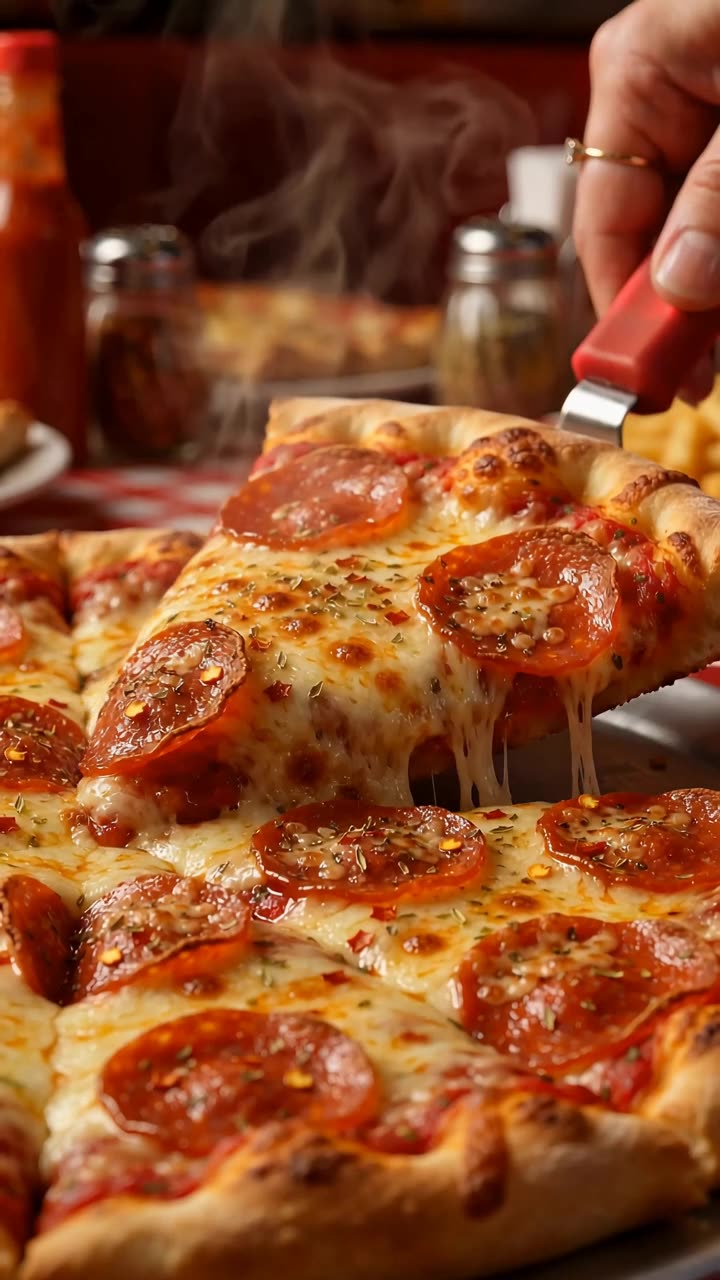
What an AI food influencer can and cannot do
An AI food influencer is a fictional adult character who cooks, plates and presents food in AI-generated video, usually around recipes, kitchen tips and food ASMR. The character can make food look delicious. It cannot taste anything, so the recipes and opinions behind the account have to come from you.
That is the rule that keeps a food account credible: every recipe you post should be one you have cooked yourself, with real quantities and real timings. The AI handles the visuals. You handle the food.
Choose your food audience
Food is huge, so pick a cook and a constraint:
- Weeknight dinners in 20 minutes for people who get home late.
- One-pan or one-pot cooking for small kitchens.
- Plant-forward meals for people trying to eat more vegetables.
- Baking basics for nervous beginners.
- Regional home cooking from one cuisine you know well.
"Twenty-minute one-pan dinners, tested in a tiny kitchen" is a promise a viewer can judge after one video.
Build the cook and the kitchen
In ClickPop's Characters studio, design a fictional adult and draw 1 to 10 reference photos, including close-ups of the hands and a waist-up shot at a counter, since most food videos frame the cook from the chest down. Give them an apron color and one kitchen you always return to: a small apartment kitchen with green tiles and a wooden board, for instance.
The kitchen is your brand. Use the same counter, the same light from a window on the left, and the same color grade. ClickPop's presets include 430 color grades; pick one warm grade and use it on every post.
Formats that work for food
- Fast recipe cuts: eight to twelve short shots, ingredients to plate, with quantities in captions.
- Single-technique clips: how to dice an onion, fold dumplings, emulsify a dressing.
- Food ASMR: sizzling, chopping, pouring, crunching, with no talking.
- Spot recommendations: if you visit real places, film them yourself or use the owner's approved footage; use the AI character only for the intro and outro.
- Pantry and tool explainers as motion graphics: which pans for which job.
Sound sells food. Seedance 2.5 generates native sound and Veo 3.1 has sound too, so sizzles and knife taps can come with the clip. For recipe cuts, you can also add music in ClickPop.
Five video ideas with sample prompts
- Garlic butter sizzle ASMR. Prompt: “Close-up of sliced garlic dropping into foaming butter in a cast-iron pan, loud sizzle, steam rising, warm side light, static macro shot.” Try it
- Dumpling fold technique. Prompt: “Overhead shot of the cook's hands pleating a dumpling on a floured wooden board, slow and precise, soft window light.” Try it
- One-pan dinner opener. Prompt: “The cook in a green-tiled kitchen lifts the lid off a pan of golden chicken thighs and vegetables, steam rolls out, smiles at camera, slow push-in.” Try it
- Crunch test. Prompt: “Extreme close-up of a knife cutting through a crusty loaf, crumbs flying, crisp crackling sound, shallow depth of field.”
- Weekly meal plan. In Faceless Studio: “A Monday to Friday dinner plan as a clean card layout, isometric illustrations of each dish, captions with cook time.” Use times from your own testing.
Food prompts work best when they describe texture and sound, not taste. "Golden, crackling, glossy, steaming" gives the model something to render.
A worked example: one recipe, one short
Here is a shot list for a 40-second one-pan lemon chicken video. Cook it yourself first and write down the real quantities and times, then build the visuals around them.
- Shot 1, hook (3 s): the lid lifts and steam rolls out. Caption: “One pan, 25 minutes, almost no dishes.”
- Shot 2 (4 s): overhead of raw ingredients on the board, each one labeled in captions with its quantity.
- Shot 3 (4 s): thighs laid skin-down into a hot pan, loud sizzle.
- Shot 4 (4 s): lemon slices and garlic added around the chicken.
- Shot 5 (5 s): the pan going into the oven, caption with temperature and time from your test.
- Shot 6 (5 s): the finished pan, glossy and golden, slow push-in.
- Shot 7 (5 s): the cook plates a portion and takes a bite, small nod.
- Shot 8 (4 s): caption card: “Full recipe in the description.”
Keep the same kitchen, light and grade across all eight shots, and write the quantities in captions rather than asking the video model to draw them on screen.
Who pays in food
Kitchen and grocery brands are steady sponsors of food content. Categories that fit: cookware and knives, small appliances, storage containers, spices and pantry staples, grocery delivery, meal kits, recipe and meal-planning apps, and tableware. Affiliate programs such as Amazon Associates and TikTok Shop cover most kitchen products; rates vary by category and change.
Your own products fit food well: a recipe ebook, a printable weekly planner, or a paid collection of tested recipes. These are honest because they are your recipes, not the AI's.
Restaurants and cafes may pay for promo videos. Do that as client work and use their real dishes as references, not invented ones.
Food-specific cautions
- Never post an untested recipe. AI can make a cake look perfect even if the method would fail.
- Do not show a real restaurant's dish that the AI invented. If you feature a place, use real footage or the owner's approved photos.
- No health or diet claims. Avoid "detox," "fat burning" or "good for" claims. Describe flavor and method.
- Mention common allergens in captions when a recipe contains them, and tell viewers to check labels.
- Label realistic AI video and disclose sponsored products in the video itself (FTC rules in the US; platform labels as of October 2026).
Questions
Can AI food videos look real enough to make people hungry?
Yes. Prompts that focus on texture, steam, sizzle and close macro shots, with native sound from a model like Seedance 2.5, give the strongest results.
Do I need to cook the recipes myself?
You should. The AI makes the visuals, but viewers will cook your recipe, so quantities and timings must come from real testing.
Can I review restaurants with an AI character?
Only if the opinions come from your real visit. Use real footage or the owner's approved images for the food, and keep the AI character to the intro and commentary.