
Can you make money with AI microdramas and vertical series?
How AI microdramas and vertical series can earn: platform payouts, sponsorships and licensing, plus a series plan, an episode script and the rules to follow.
The short answer
Yes, AI microdramas can make money, mainly through platform payout programs on longer episodes, sponsorships, and building a following you can sell to later. They earn when viewers come back for the next episode, so the money follows the story, not the AI.
A microdrama is a vertical series of short episodes, each ending on a hook that makes you watch the next one. AI makes the format possible for a solo creator because you no longer need actors, locations and a crew for every scene. You still need what every series needs: characters people care about, a clear premise and cliffhangers that work.
How microdramas earn
Different routes suit different stages of a series. None pays a fixed amount.
- Platform payouts: episodes over one minute can be eligible for TikTok's Creator Rewards if the account qualifies (as of October 2026: 18+, personal account, 10,000 followers, 100,000 views in 30 days, available in some countries). YouTube's Partner Program counts Shorts views and long-form watch hours. Check each platform's current page.
- Compilations on YouTube: a full season cut into one long video can build watch hours toward the Partner Program.
- Sponsorships and product placement: a brand appears naturally in a scene, clearly disclosed in the video.
- Fan support: memberships, tips and early access where platforms offer them.
- Licensing and commissions: a following and a finished season are a portfolio when pitching custom series to brands or studios.
Build a series that holds viewers
Microdramas run on a simple loop: want, obstacle, twist, cliffhanger. Write the whole season before you make episode one.
- Premise in one line: who wants what, and what stands in the way.
- A cast of three to five fictional adults with clear roles: lead, rival, ally, secret.
- A season of 10 to 20 episodes, each 60 to 90 seconds, each ending on a question.
- A visual style you can keep: one color grade, one lighting mood, one location palette.
ClickPop's Drama Studio follows this structure. It takes a premise to a series bible, builds the cast with locked reference sheets so faces stay the same across episodes, storyboards each episode, then films the scenes with dialogue and cliffhangers.
A premise and episode one, worked through
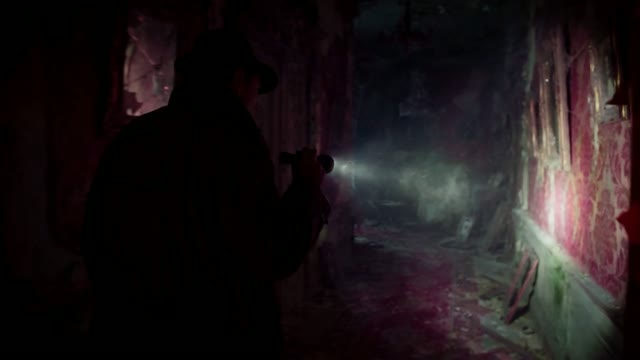
Premise: "A night-shift hotel concierge discovers that guest room 914 does not exist on any floor plan, but someone checks into it every Friday."
Try this prompt in Create VideoCast: Lena, the concierge, early 30s, sharp and tired; Victor, the hotel manager who knows more than he says; a guest in a grey coat who never shows his face.
- 0 to 5 s: Lena at the front desk at 2 a.m. The booking screen flashes: "Check-in, Room 914."
- 5 to 20 s: She checks the floor plan. Floor 9 ends at 912. Victor walks past: "Don't worry about that one."
- 20 to 45 s: The guest in the grey coat signs in. His key card is already on the desk. Lena never printed it.
- 45 to 60 s: She follows him to the elevator. The panel shows a button marked 9 and a half.
- 60 to 70 s: Doors close. Lena looks at the camera. Caption: "Episode 2: Floor 9½."
A sample prompt for the opening: "Lena from the reference sheet sits at a dim marble hotel front desk at 2 a.m., face lit by a computer screen, empty lobby behind her, warm practical lamps, slow push-in, vertical framing." Keep each scene to one location so the episode stays readable on a phone.
Try this prompt in Create VideoProduction tips that save time
- Reuse sets. A hotel lobby, a hallway and an elevator can carry a whole season.
- Lock characters before episode one. Changing a face mid-season breaks the spell.
- Use a model with native sound for dialogue scenes. Seedance 2.5 generates sound and up to 30 seconds per generation; Veo 3.1 also has sound, up to 8 seconds.
- Storyboard every episode first. Approving stills is cheaper than re-rendering scenes.
- Make episodes in batches of five, so you always have a buffer before posting days.
Cost a season before you start
A series only works if you can finish it, so price the season first. Say each episode is about 70 seconds, built from seven 10-second shots. On Seedance 2.5, with native sound, a 10-second 720p shot costs about 208 credits, so seven shots is about 1,456 credits per episode before retakes. On Auto, at about 72 credits a shot, it is about 504 credits.
Many creators mix the two: Auto for establishing shots and silent cutaways, Seedance 2.5 for dialogue scenes. Multiply by the number of episodes, add a buffer for retakes, and compare the total with your plan's monthly credits. The price always shows before you generate, and failed renders are refunded.
Rules to follow
- Original stories and characters only. No fan fiction of existing franchises.
- No real people's likeness, including public figures.
- Label realistic AI content where platforms require it. TikTok requires labels on realistic AI-generated content; YouTube has an altered or synthetic content setting, as of October 2026.
- Disclose any paid product placement in the episode itself.
- Keep themes within each platform's community guidelines, which limit violence and adult content.
Mistakes to avoid
- Starting without an ending. Viewers notice when a series drifts.
- Episodes with no cliffhanger. The hook is the format.
- Too many characters too early. Introduce one new face per episode at most.
- Posting irregularly. Series audiences expect a schedule.
- Spending your credit budget on episode one and running out by episode four. Plan the season's cost first.
Questions
Do AI microdramas get views?
They can, when the story and cliffhangers are strong. Results vary a lot by premise, quality and consistency, and there are no guarantees.
How long should a microdrama episode be?
Most run 60 to 90 seconds. Going over one minute also matters for TikTok's Creator Rewards, which counts videos longer than one minute.
How do I keep characters consistent across episodes?
Lock each character with reference photos before you start. Drama Studio builds a cast with locked reference sheets that go with every scene.