
How to create an anime-style AI influencer
Create an original anime-style AI influencer: design an adult character, keep it consistent, choose formats and partners, five prompts, and IP rules to follow.
What an anime-style AI influencer is
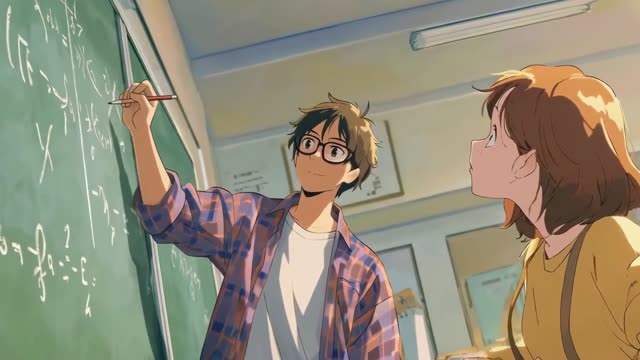
An anime-style AI influencer is an original, fictional adult character drawn in an anime or manga look who posts skits, slice-of-life moments, stories and commentary through AI video. Because the character is clearly not a real person, it can do things a realistic influencer cannot: exaggerated expressions, impossible settings, visual gags.
Two things decide whether it works: the design must be your own, and it must stay consistent. A character that looks like a famous series' lead will draw complaints and takedowns. A character whose eyes and hair change every post never becomes recognizable.
Who follows anime-style characters
The audience is large, but specific sub-communities are easier to reach:
- Slice-of-life fans who like cozy daily moments: cooking, studying, rainy cafes.
- Fans of serialized stories who will follow a character through episodes.
- Artists and illustrators interested in character design.
- Gamers who enjoy anime aesthetics.
- Learners of Japanese who like content with a cultural flavor.
A cozy, story-driven account, like "a night-shift bakery worker in a rainy city," gives you endless small scenes.
Design an original adult character
In ClickPop's Characters studio, design a fictional adult and choose an image model that handles anime styles well. Then draw 1 to 10 reference photos: front, three-quarter, full body, close-ups and profile. Those references go with every video, so the face, hair and outfit stay the same.
Make the character clearly adult in proportions, clothing and setting: a job, a flat of their own, adult responsibilities. Anime styles can read young, so state the age and an adult role in your character card. Never sexualize the character.
Make the design distinctive with three fixed details: a hair color and cut (silver bob with one dark streak), one accessory (a mustard scarf) and one color palette for outfits. Write those into a character card and paste it into every prompt.
Avoid copying. Do not prompt for a named series, character or studio style. Describe the look in your own terms: “clean line art, soft cel shading, pastel evening palette.”
Formats that work
- Slice-of-life loops: the character at work, cooking or watching rain, with ambient sound.
- Short skits with a punchline, built on exaggerated reactions.
- Serialized episodes: Drama Studio builds vertical series from a premise to a series bible, with cast reference sheets locked and cliffhangers per episode.
- Dance or movement clips: Motion Control lets your character perform moves from a reference clip you have rights to.
- Character Q&A: the character answers follower questions in voice.
Pick a posting rhythm that fits the format. Slice-of-life loops can go out daily because each one is a single shot. Serialized episodes need a fixed day each week so followers know when the next one lands. Daily loops plus a weekly episode keep the feed active while the story builds.
Five video ideas with sample prompts
- Rainy bakery night. Prompt: “Anime style, clean line art, soft cel shading: the character with a silver bob and mustard scarf dusts flour off a counter in a small bakery at night, rain on the window, warm lamp light, slow push-in.” Try it
- The late train. Prompt: “Anime style: the character sits alone on a late-night train, head resting on the window, city lights streaking past, gentle sway, calm piano mood.” Try it
- Reaction gag. Prompt: “Anime style: the character opens an oven, a puff of black smoke, eyes go wide and comically huge, then a deadpan stare at camera, static shot.” Try it
- Morning routine. Prompt: “Anime style: the character opens curtains in a tidy small apartment, stretches, golden morning light floods in, slow pan.”
- Episode cliffhanger. In Drama Studio, write a premise like “a baker finds an unsigned letter in the flour sack every night” and let each episode end on a new letter.
Keep the style words identical in every prompt. Changing “soft cel shading” to “painterly” for one post is enough to make the character look like someone else.
Who pays and what you can sell
Partners that fit an anime-style audience: drawing tablets and art supplies, illustration and animation software, manga and comic reading apps, desk and room decor, gaming peripherals, and stores that sell licensed merchandise through affiliate programs. Rates vary and change, so check each program.
Your strongest product is the character itself, because you own the design: stickers, prints, phone wallpapers, a digital art book, or early access to episodes. Videos you make in ClickPop are yours to use commercially.
Before selling merch, check that the final design does not closely resemble an existing character. A distinctive silhouette, palette and accessory make that easier, and they also make the merch recognizable.
On YouTube, clearly animated content does not need the altered or synthetic content label as of October 2026, but check the platform's current page and follow TikTok's AI labeling rules.
Cautions and mistakes to avoid
- No existing characters, logos or recognizable designs from other franchises.
- No youthful-looking character in romantic or sexual situations. Keep the character clearly adult and the content appropriate.
- Do not present the art as hand-drawn. Many art communities have rules about AI art; follow them and say the work is AI-assisted.
- Drift between posts. Reuse the same references and style words every time.
- Sponsored posts need a clear on-video disclosure under FTC rules in the US. Virtual characters follow the same rules.
Questions
Can I make an anime AI influencer of an existing character?
No. Existing characters are someone else's IP. Design an original character and describe the style in your own words rather than naming a series or studio.
How do I keep an anime character consistent?
Use the same reference photos for every video and paste the same character card and style words into every prompt.
Do anime-style AI videos need an AI label?
On YouTube, clearly unrealistic or animated content does not need the altered or synthetic content setting as of October 2026. Other platforms have their own rules, so check each one.